
ADU construction contractor Redmond planning often starts with one simple question: how can a small space feel comfortable, useful, and worth the investment?
That question becomes even more important when the bathroom is part of a garage conversion, backyard cottage, in-law suite, or rental-ready accessory dwelling unit.
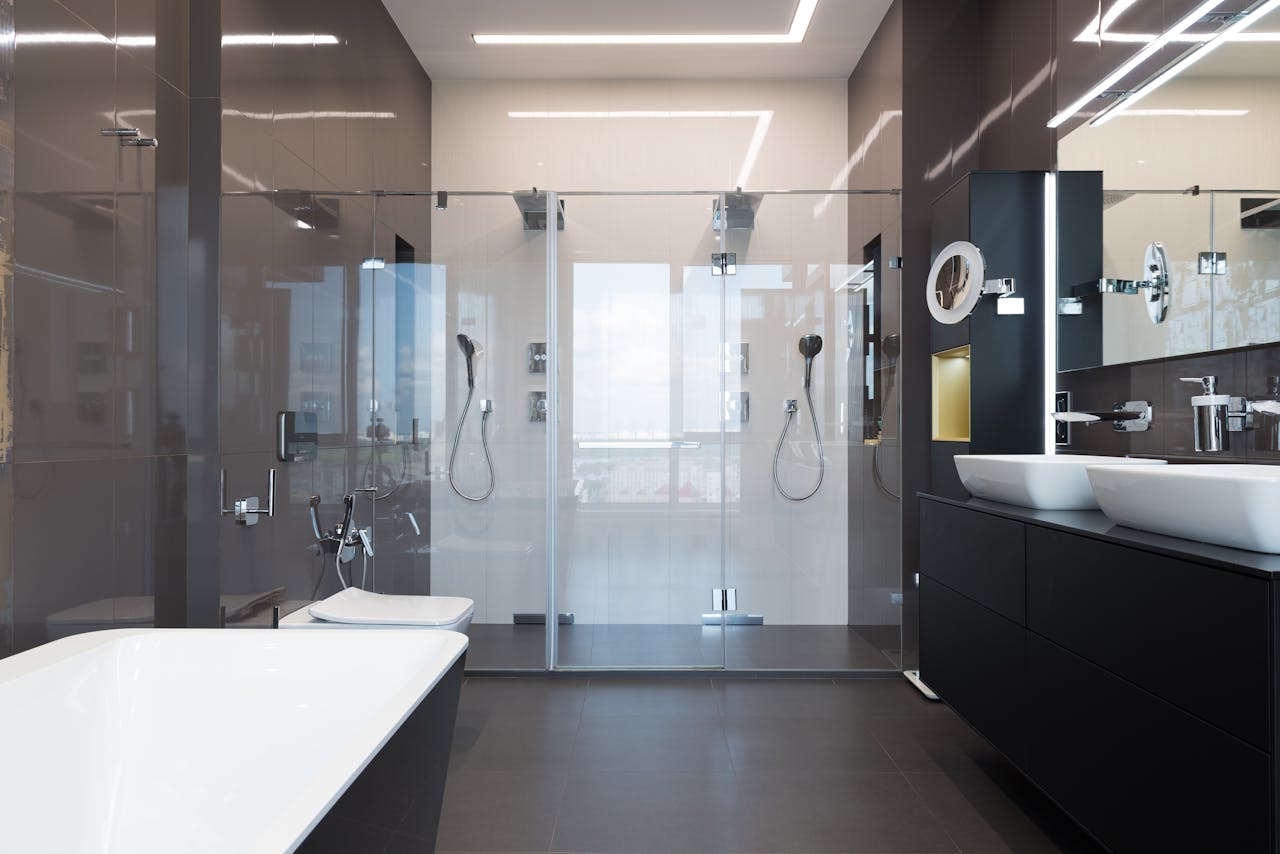
A homeowner might picture a compact bathroom with a walk-in shower, floating vanity, bright tile, and enough storage to avoid clutter.
Then reality shows up.
Where will the plumbing run?
Can the bathroom fit without making the bedroom feel cramped?
Will the layout pass local building rules?
That is where smart planning with an ADU construction contractor Redmond makes the difference between a bathroom that feels squeezed in and one that feels like it was always meant to be there.
Why Bathroom Planning Matters in an ADU
An ADU bathroom does not have extra room to waste.
Every inch has a job.
In a full-size home, a poor bathroom layout may be annoying.
In a small living unit, it can affect the entire floor plan.
Think about a detached backyard unit where the bathroom wall backs up to the kitchenette.
That one decision can reduce plumbing costs, simplify water line placement, and free up more usable living space.
A smart bathroom plan looks at comfort, code, maintenance, ventilation, privacy, and resale value all at the same time.
That sounds like a lot, but it is easier when the design is handled before construction starts.
Start with the Way the Space Will Be Used
Before choosing tile or fixtures, think about who will actually use the ADU.
A parent moving into the unit may need a low-threshold shower, grab-bar backing, and better lighting.
A college student may need simple storage, easy-clean surfaces, and durable flooring.
A short-term guest may care more about a hotel-style feel with bright mirrors and a clean shower setup.
A long-term renter may need a bathroom that can handle daily use without constant repairs.
This is where many homeowners get stuck.
They start with style before they understand function.
A pretty bathroom is nice.
A bathroom that works every morning without frustration is better.
The Best ADU Bathrooms Feel Bigger Than They Are
A small bathroom does not have to feel small.
The trick is to control sightlines, lighting, storage, and fixture placement.
A glass shower door can make the room feel more open than a curtain.
A wall-mounted vanity can show more floor and create the feeling of extra space.
Large-format tile can reduce grout lines and make the walls look cleaner.
A recessed medicine cabinet can add storage without taking up walking room.
Pocket doors can save space when a swing door would block the vanity or toilet.
These choices are small on paper, but they change the way the room feels in real life.
Plumbing Decisions Can Make or Break the Budget
Bathroom remodeling in an ADU is not just about the visible finishes.
The expensive work is often behind the walls and under the floor.
Drain lines, venting, water supply, waterproofing, and sewer connections all need careful planning.
If the bathroom is placed far from existing utilities, costs can climb quickly.
If it is planned near existing plumbing, the project may become more efficient.
For example, a garage conversion with a laundry area nearby may offer a better plumbing path than a layout that puts the bathroom across the unit.
That does not mean the cheapest layout is always the best layout.
It means the bathroom should be designed with both comfort and construction logic in mind.
Redmond ADU Projects Need Local Planning Awareness
An accessory dwelling unit in Redmond should be planned with local rules, lot conditions, and permit expectations in mind.
This includes setbacks, utility access, parking considerations, height limits, fire safety, energy rules, and inspection requirements.
Bathroom design also connects to ventilation, moisture control, electrical spacing, lighting, and plumbing code.
A bathroom fan, GFCI outlet, waterproof shower system, and proper slope may not sound exciting.
Still, these details protect the home from mold, leaks, and failed inspections.
Good planning is not about making the project more complicated.
It is about avoiding expensive surprises once walls are open.
Materials Should Be Chosen for Real Life
ADU bathrooms work hard.
They may be used by guests, family, renters, or aging parents.
That means materials should be durable, easy to clean, and moisture-resistant.
Porcelain tile is a strong choice for floors and shower walls because it handles water well.
Quartz vanity tops are easier to maintain than many porous stone options.
Matte or textured floor tile can help reduce slipping.
Solid shower niches can hold soap and shampoo without adding bulky shelves.
Good grout, proper waterproofing, and quality caulking matter just as much as the tile itself.
The best bathroom is not the one that looks good on day one.
It is the one that still looks good after years of showers, cleaning, and daily use.
Lighting Changes Everything
Bad lighting can make even an expensive bathroom feel dull.
A small ADU bathroom needs layered lighting.
Ceiling lighting helps brighten the whole room.
Vanity lighting helps with shaving, makeup, and daily routines.
Shower lighting can make the space feel cleaner and safer.
Natural light is even better when the layout allows it.
A frosted window, skylight, or high privacy window can bring in daylight without making the bathroom feel exposed.
Good lighting makes the tile look better, the mirror more useful, and the room less cramped.
Storage Should Be Built Into the Design
Storage is often forgotten until the bathroom is finished.
Then the towels have nowhere to go.
To avoid that, storage should be planned from the beginning.
A vanity with drawers can work better than a cabinet with one deep opening.
A recessed medicine cabinet can hold small daily items.
A built-in shower niche keeps bottles off the floor.
Open shelving above the toilet can work if it does not make the room feel crowded.
A tall narrow cabinet may fit better than a wide vanity in tight spaces.
The goal is simple.
Keep the bathroom clean without forcing people to store everything in the bedroom or kitchen.
Think About Aging, Guests, and Future Use
Many ADUs are built for one purpose today and another purpose later.
A rental unit may become a guest house.
A guest house may become a space for parents.
A parent suite may later become a home office with a bathroom.
That is why flexible bathroom design matters.
Blocking inside the walls for future grab bars is a smart move.
A wider doorway can make the bathroom easier to access.
A curbless or low-curb shower can help with comfort and safety.
Lever-style handles can be easier to use than small round knobs.
These features do not have to make the bathroom look medical.
When done well, they simply make the space easier for everyone.
A Real-Life Layout Example
Picture a homeowner converting part of a garage into a private ADU for a family member.
At first, they wanted the bathroom tucked into the back corner because it seemed out of the way.
After looking at the plumbing path, doorway clearance, and bedroom size, the plan changed.
The bathroom moved closer to the existing utility wall.
That saved space, simplified the plumbing, and allowed the main living area to feel more open.
The shower became slightly larger.
The vanity gained drawers.
The toilet had better clearance.
Nothing about the final bathroom felt oversized or fancy.
It simply worked.
That is the kind of planning that turns a small ADU bathroom into a comfortable everyday space.
Mistakes to Avoid During ADU Bathroom Remodeling
One common mistake is choosing fixtures before confirming measurements.
A vanity that looks small online can still block the door swing.
A toilet can meet basic size needs but feel awkward if placed too close to the shower.
A shower pan can fit the room but leave no comfortable entry space.
Another mistake is skipping ventilation.
Moisture builds fast in compact bathrooms.
Without proper airflow, paint can peel, mirrors can fog, and mold can become a problem.
Cheap waterproofing is another risk.
Water damage inside an ADU can spread quickly because the rooms are close together.
Saving money upfront can lead to repairs that cost far more later.
How to Make the Bathroom Feel Custom
A bathroom does not need luxury materials to feel custom.
It needs thoughtful details.
Match the vanity size to the room instead of forcing in the largest option.
Use tile vertically to make walls feel taller.
Choose warm lighting so the space does not feel cold.
Add hooks where towels will actually be used.
Put outlets where daily routines happen.
Choose a mirror that fits the vanity instead of grabbing a random size.
These details are not flashy.
They are the things people notice after living in the space for a week.
Why the Right Contractor Matters
A strong ADU contractor understands that the bathroom is connected to the entire unit.
The shower location affects plumbing.
The bathroom wall affects bedroom size.
The fan affects ventilation.
The floor height affects accessibility.
The electrical plan affects safety and daily use.
That is why experience matters.
A good builder can look at a small floor plan and spot problems before they become construction delays.
They can also explain trade-offs in plain language.
That helps homeowners make confident decisions instead of guessing.
Final Thoughts
A well-planned ADU bathroom should feel simple, clean, and comfortable.
It should support daily life without wasting space.
It should be easy to maintain, safe to use, and designed around the way people actually live.
For homeowners thinking about an accessory dwelling unit in Redmond, the bathroom deserves serious attention early in the process.
Good planning can protect the budget, improve the layout, and make the entire ADU feel more complete.
The best small bathrooms are not accidents.
They are built from smart choices made before construction begins.
